Inflammatory bowel disease (IBD) is a chronic condition that affects millions of people worldwide, encompassing Crohn’s disease and ulcerative colitis. These disorders cause inflammation in the gastrointestinal tract, resulting in a range of symptoms including abdominal pain, persistent diarrhea, fatigue, weight loss, and occasionally, blood in the stool. For many, these symptoms disrupt daily life and reduce overall quality of life. Recent research has highlighted the important role of diet in influencing IBD severity, suggesting that the foods you eat may either exacerbate or alleviate disease activity.
Understanding IBD: Crohn’s Disease and Ulcerative Colitis
Crohn’s disease can affect any segment of the gastrointestinal tract, most commonly the small intestine and colon. Inflammation may lead to severe abdominal discomfort, diarrhea, fatigue, unintended weight loss, and even complications such as strictures or fistulas. Ulcerative colitis, by contrast, affects the large intestine, including the colon and rectum, and is characterized by ulcer formation, bleeding, diarrhea, and abdominal pain. Both forms of IBD are autoimmune disorders, meaning the immune system mistakenly attacks the digestive tract, causing chronic inflammation.
While the exact causes of IBD remain unclear, research suggests that a combination of genetic predisposition, environmental factors, and alterations in the gut microbiome contribute to disease onset. Lifestyle choices, particularly diet, may also influence the course of the disease, either by promoting inflammation or supporting gut health.
Research Linking Diet to IBD Severity
A study conducted on 90 individuals with IBD aimed to examine the relationship between dietary habits and disease severity. Participants included 46 people with Crohn’s disease and 44 with ulcerative colitis. Around 36% were in remission, 22% had mild symptoms, 31% experienced moderate disease, and 11% suffered severe symptoms. Researchers assessed dietary intake using food frequency questionnaires and three 24-hour dietary recalls, which allowed them to calculate the Dietary Inflammatory Index (DII) for each participant.
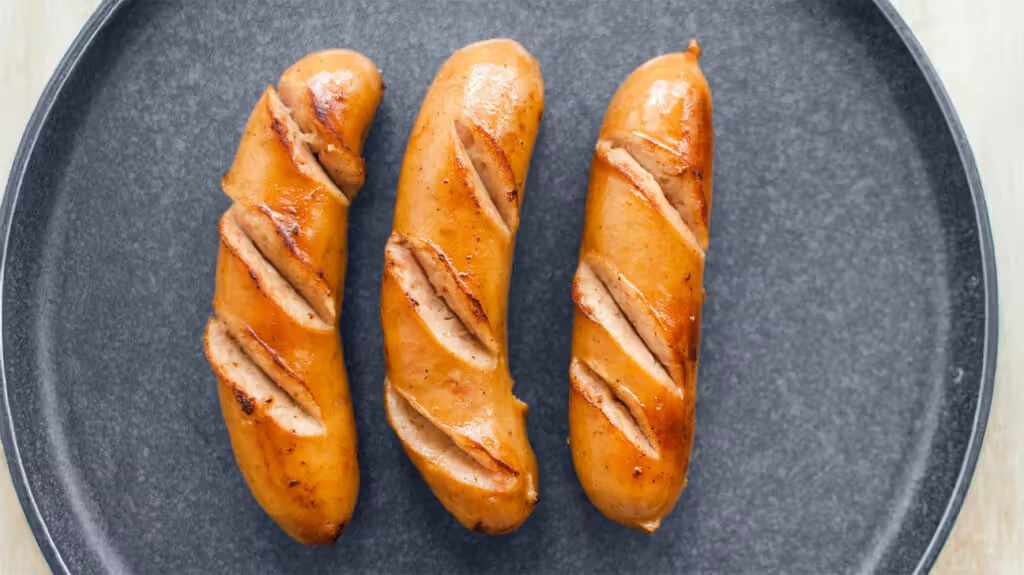
The DII measures how pro-inflammatory or anti-inflammatory a person’s diet is. Foods high in processed sugars, red meats, and ultra-processed products increase DII scores and are considered pro-inflammatory. In contrast, diets rich in fruits, vegetables, whole grains, nuts, seeds, and omega-3 fatty acids tend to reduce inflammation and improve DII scores.
The study revealed a clear trend: participants with anti-inflammatory diets were more likely to be in remission or have mild IBD, whereas those consuming pro-inflammatory diets were up to three times more likely to experience moderate-to-severe symptoms. This suggests a strong link between dietary patterns and disease activity.
Mechanisms Behind Dietary Influence
Pro-inflammatory foods may exacerbate IBD through several mechanisms:
- Disruption of the Gut Microbiome: Processed and high-fat foods can alter the composition of intestinal bacteria, reducing beneficial species and promoting harmful microbes that trigger inflammation.
- Weakened Intestinal Barrier: Certain foods may compromise the gut lining, allowing bacteria and toxins to penetrate the intestinal wall and provoke immune responses.
- Immune System Activation: High sugar and processed foods can stimulate immune cells, increasing pro-inflammatory cytokines and perpetuating intestinal inflammation.
Conversely, anti-inflammatory diets support gut health by maintaining microbial balance, strengthening the intestinal barrier, and providing antioxidants that reduce oxidative stress. Omega-3 fatty acids, polyphenols, and fiber-rich foods are particularly beneficial in mitigating inflammation and promoting remission.
Practical Dietary Recommendations for IBD
Healthcare experts increasingly advocate a Mediterranean-style diet for people with IBD. This eating pattern emphasizes:
- Fruits and Vegetables: Rich in antioxidants, vitamins, and fiber to reduce inflammation and support gut microbiota.
- Whole Grains: Provide soluble fiber that feeds beneficial bacteria, though tolerability varies among individuals.
- Lean Proteins: Fish, poultry, and plant-based proteins help repair tissue without exacerbating inflammation.
- Healthy Fats: Olive oil, nuts, and seeds contain anti-inflammatory compounds that protect the intestinal lining.
- Limiting Red and Processed Meats: These foods are associated with increased pro-inflammatory activity and worse disease outcomes.
Additionally, lifestyle measures such as stress reduction, regular physical activity, and adequate sleep play a supportive role in managing IBD. Chronic stress, for instance, can worsen gut inflammation and trigger flare-ups, making mindfulness practices, yoga, or light exercise valuable adjuncts to dietary interventions.
The Role of the Gut Microbiome
Emerging research suggests that people with IBD have distinct gut microbiome profiles compared to healthy individuals. Studies have identified previously unknown bacterial species in IBD patients, which may influence inflammation and disease progression. Supporting a diverse and balanced gut microbiome through diet may help reduce flare-ups and improve overall digestive health. Prebiotic fibers, fermented foods like yogurt and kefir, and avoidance of excessive processed foods can all contribute to a healthier microbial ecosystem.
Future Directions in IBD Management
Beyond dietary and lifestyle interventions, research is exploring innovative treatments to target the underlying mechanisms of IBD. Potential strategies include:
- Fecal Microbiota Transplantation (FMT): Transferring beneficial gut bacteria to restore a healthy microbiome.
- Targeted Immune Modulation: Developing therapies that reduce intestinal inflammation without compromising systemic immunity.
- Personalized Nutrition Plans: Tailoring diets based on individual gut microbiome composition and inflammatory profiles to optimize outcomes.
While these approaches are still in experimental stages, they highlight the growing understanding of how diet, microbiome, and immunity interact in IBD.
Conclusion
Diet is a critical, modifiable factor in managing IBD. Pro-inflammatory diets increase the likelihood of moderate-to-severe disease activity, whereas anti-inflammatory diets—such as the Mediterranean diet—may help reduce flare-ups and promote remission. By focusing on nutrient-dense foods, limiting processed items, and maintaining healthy lifestyle habits, individuals with IBD can take proactive steps to improve their quality of life. Combined with ongoing medical treatments and emerging therapies, dietary management offers a powerful tool to complement traditional approaches in controlling IBD.